Disaster Relief & Special Initiatives
Read More
Click to view an overview of work after Hurricane Helene
Hurricane Helene
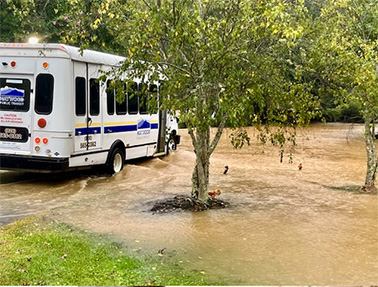
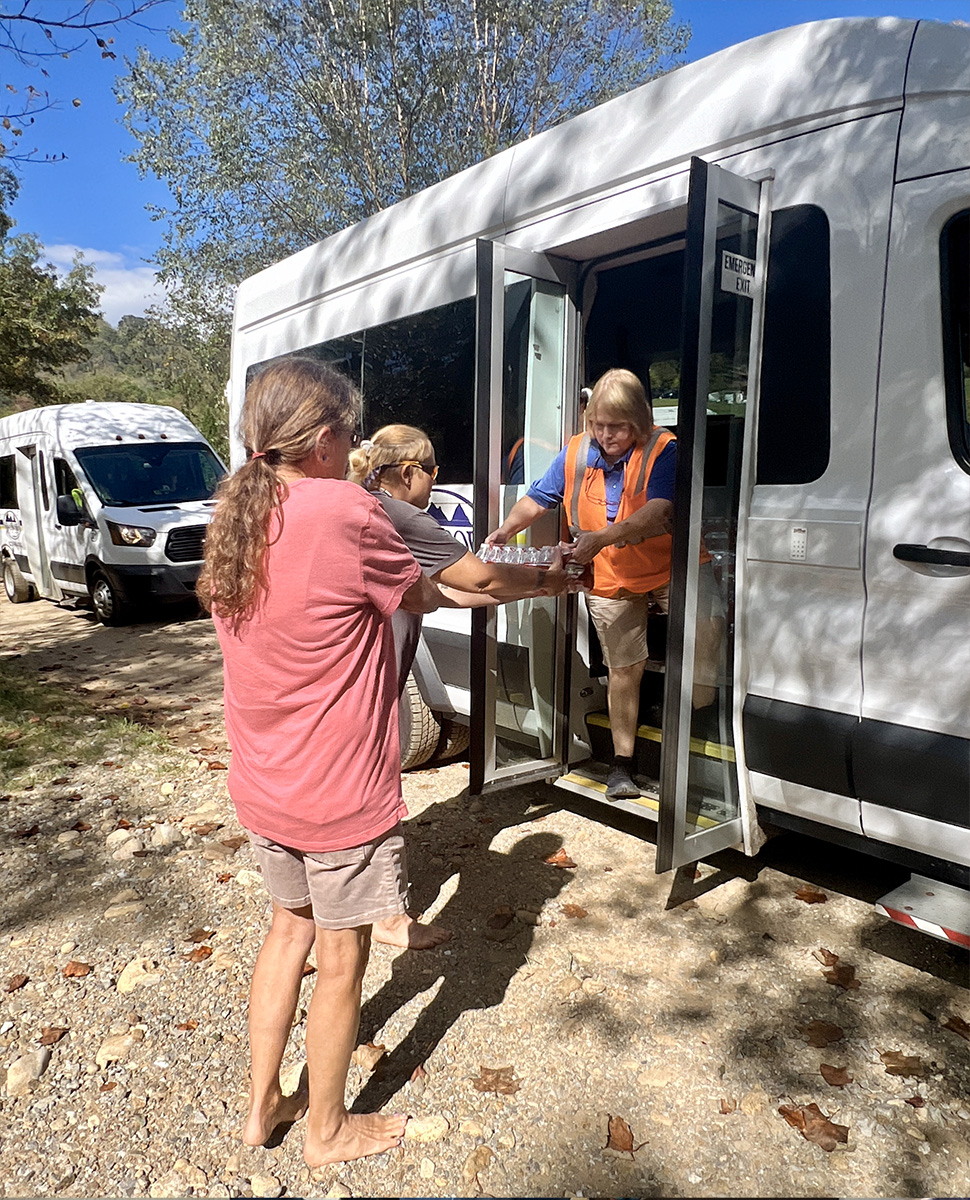
Mountain Projects mobilized quickly during and after the flooding from Hurricane Helene, beginning pre-dawn wellness and evacuation calls on Sept. 27, 2024, and using Haywood Public Transit vans to reach vulnerable residents, including seniors evacuated from long-term care facilities. With federal assistance slow to arrive, the nonprofit stepped in as a “hyperlocal FEMA,” placing evacuees in hotels and motels, transporting residents from flood-prone areas and nursing homes, and coordinating emergency supplies across Haywood and Jackson counties.
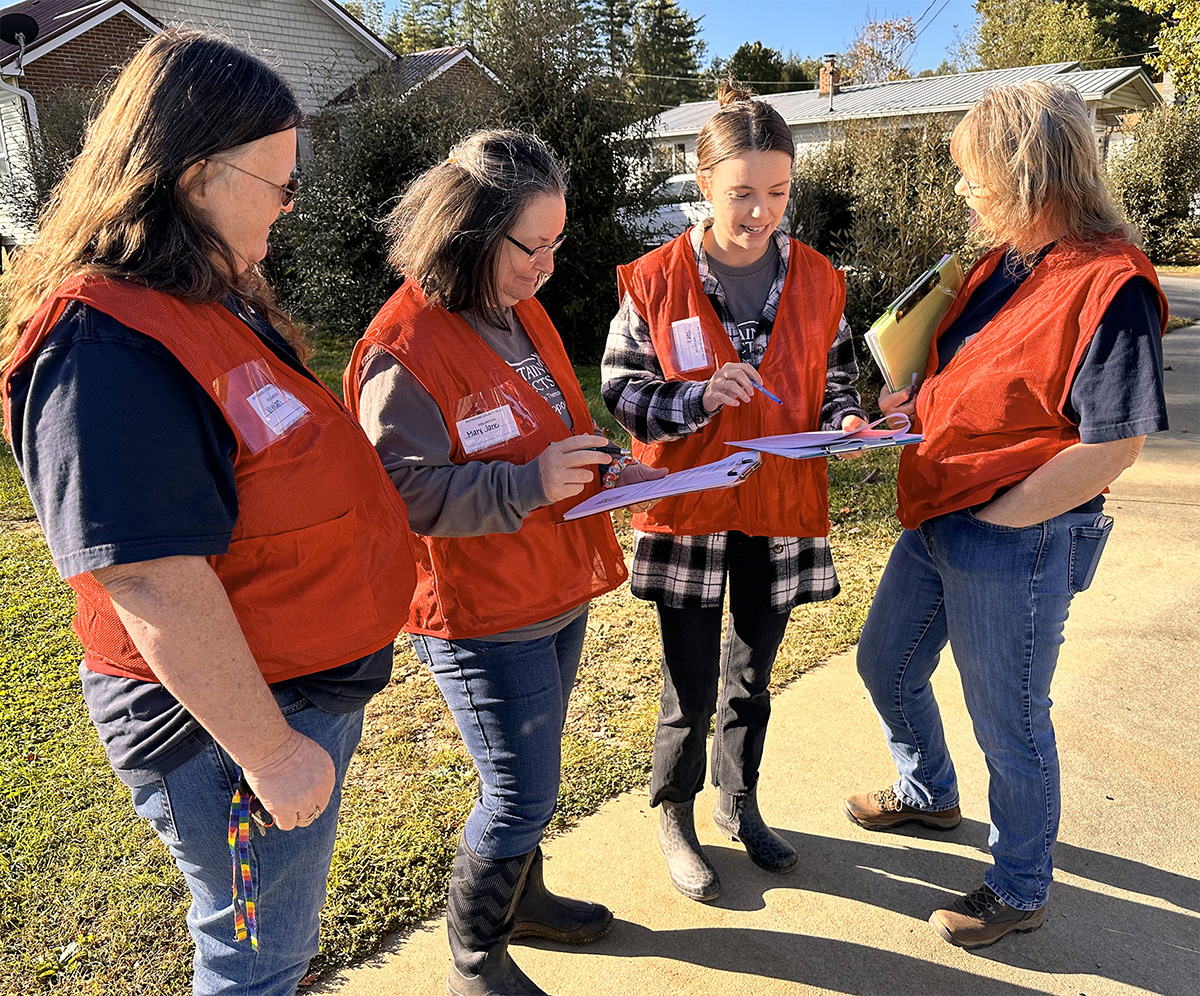
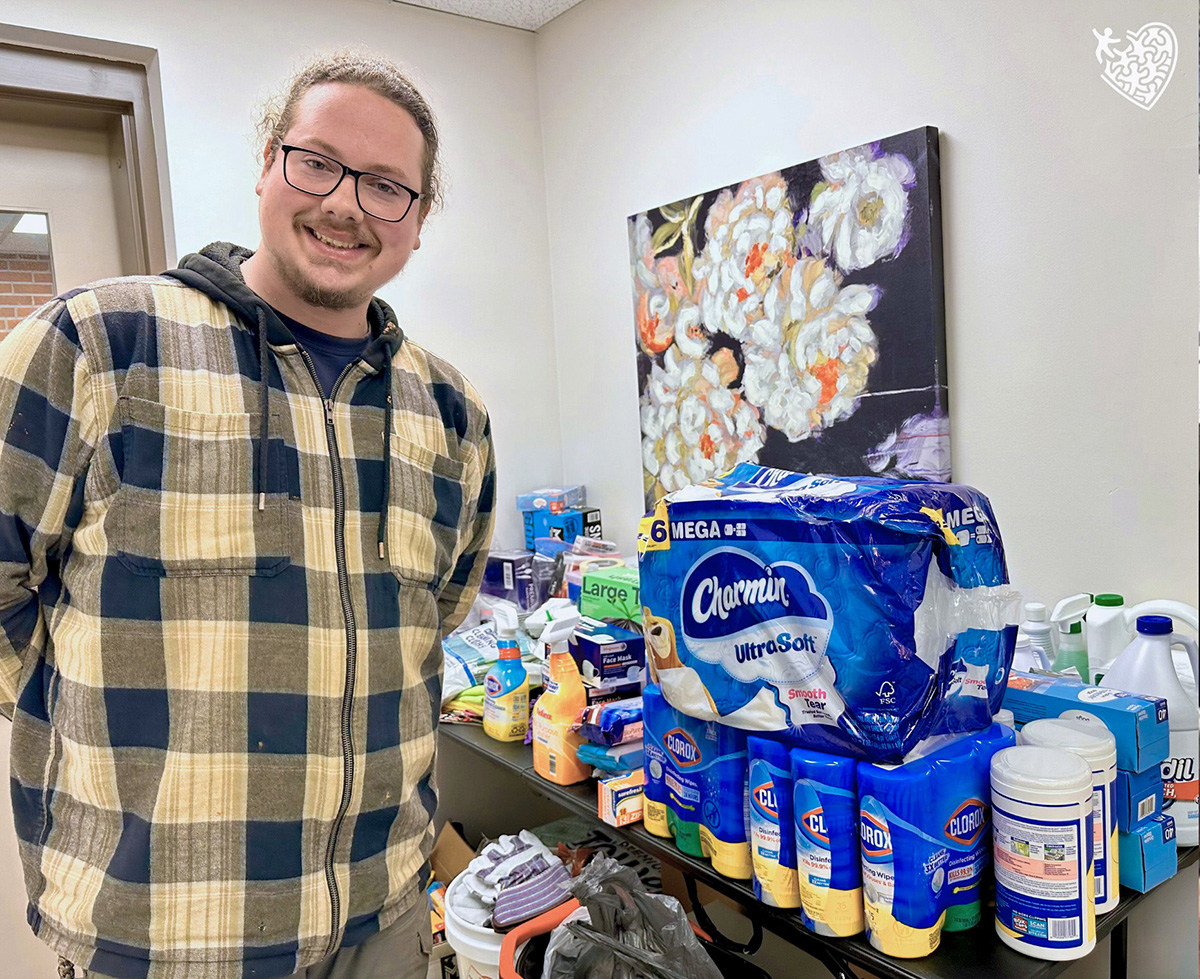
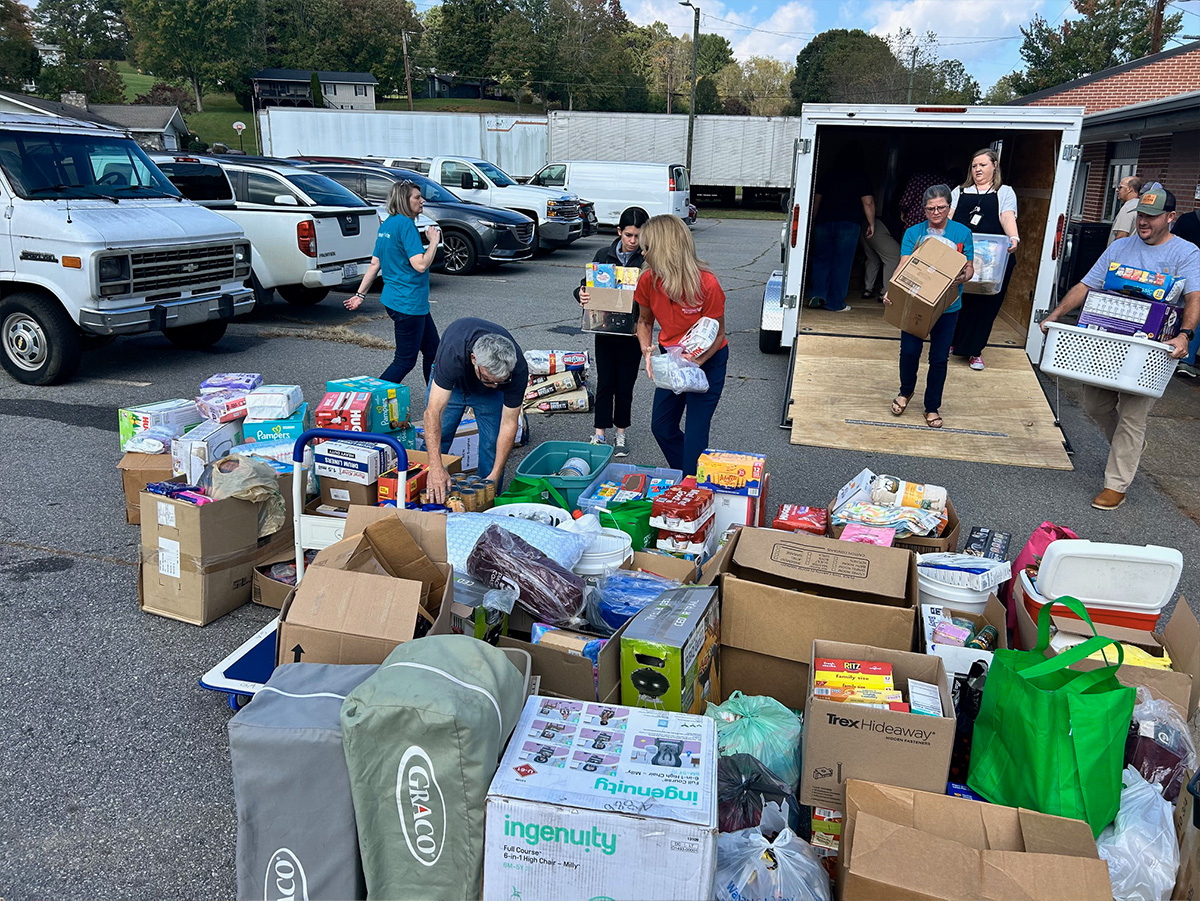
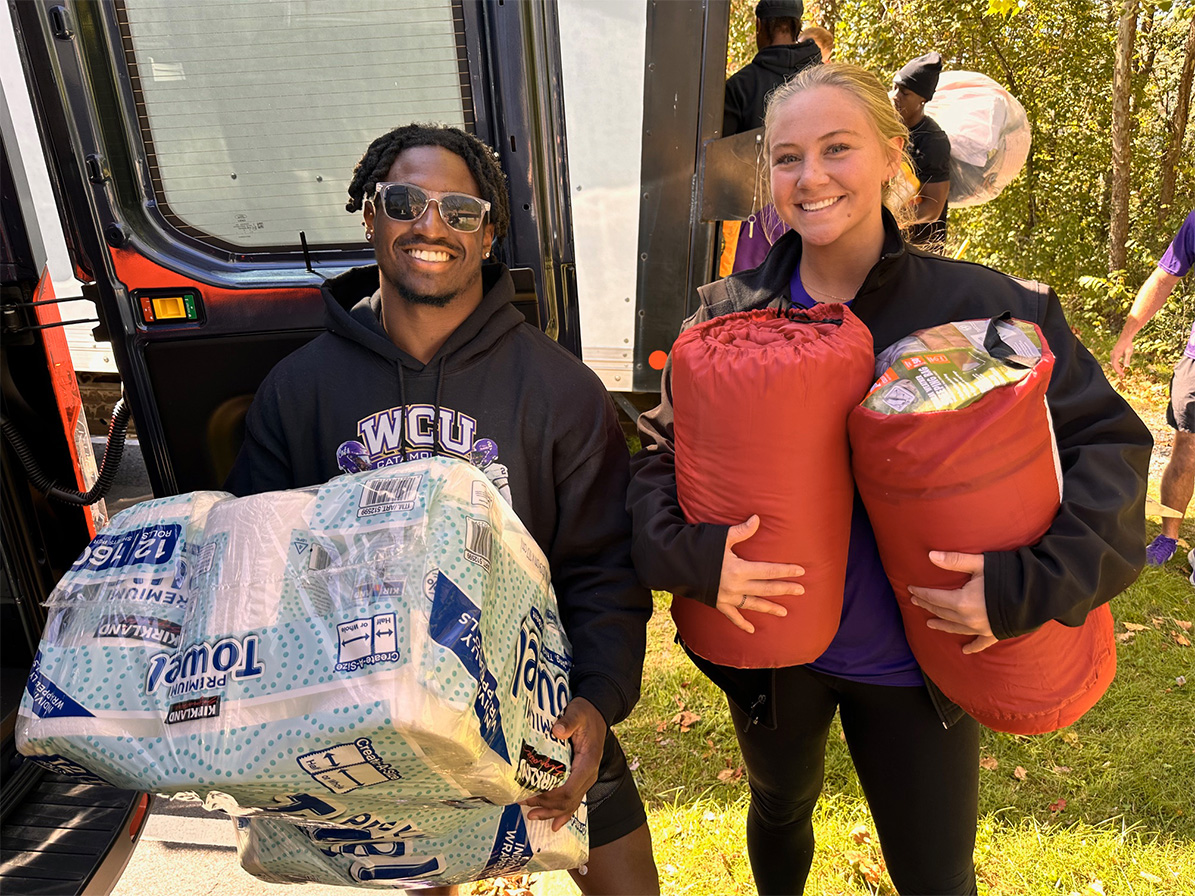
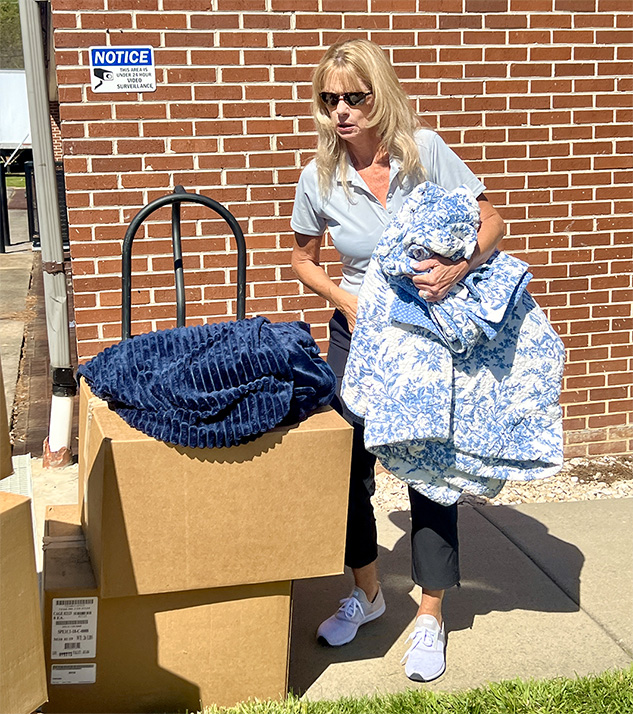
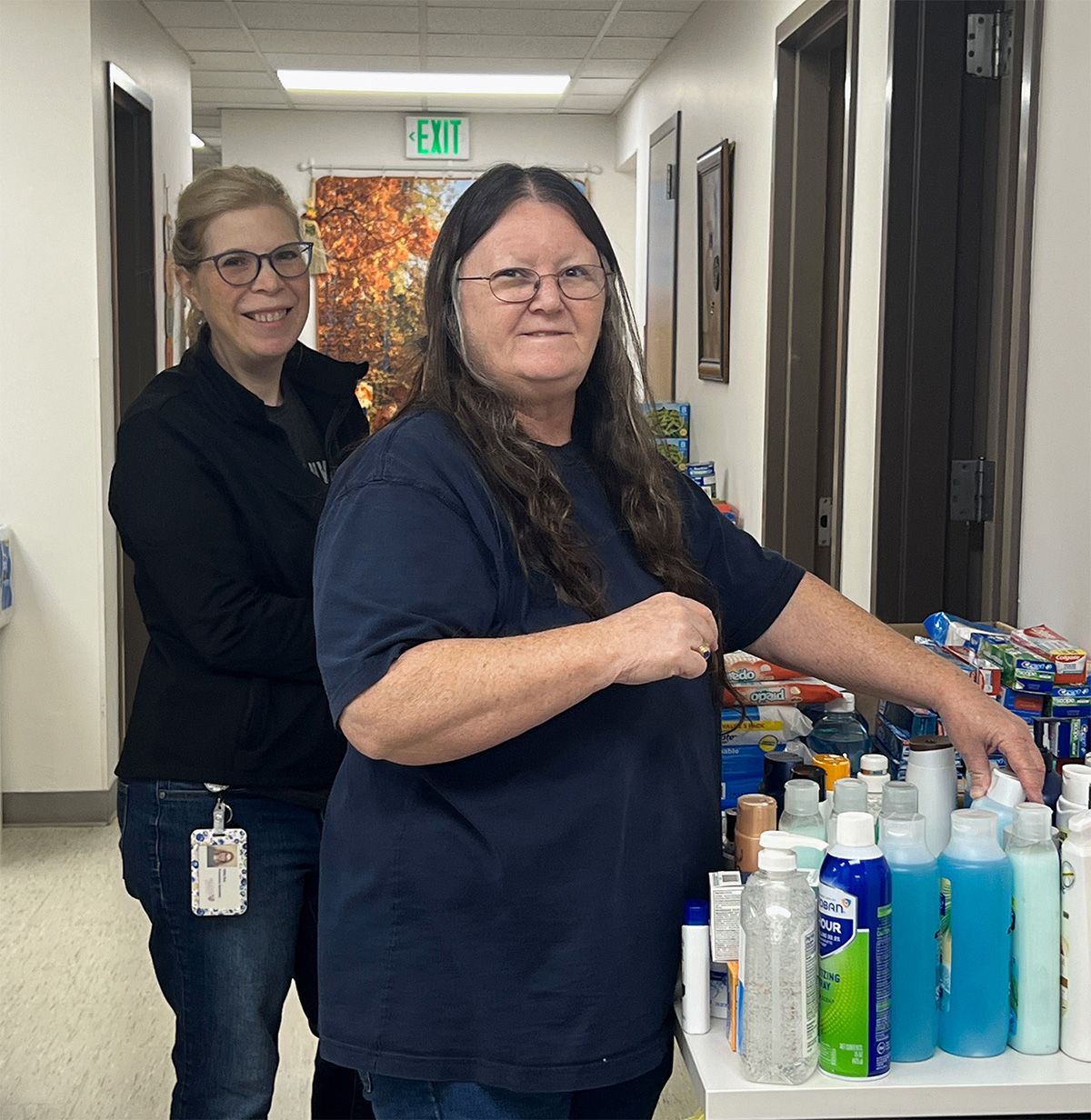
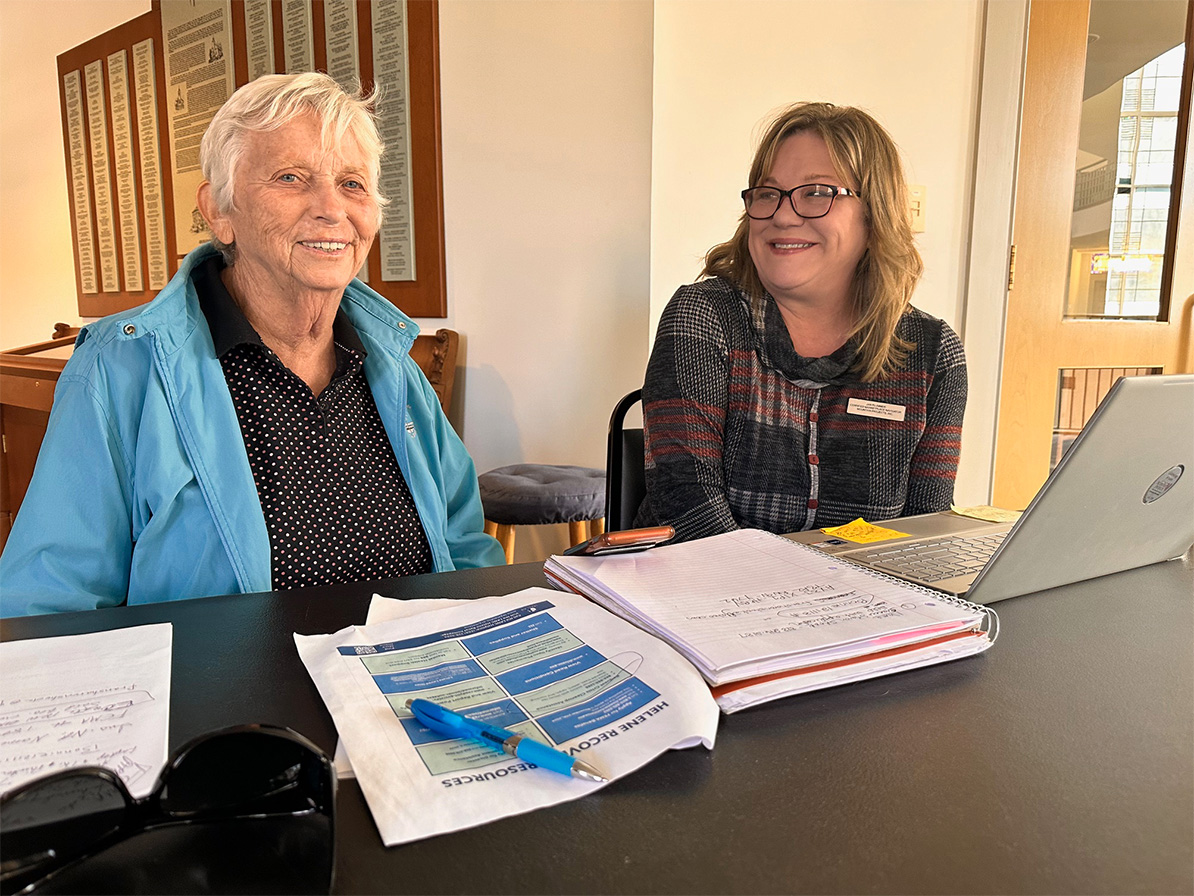
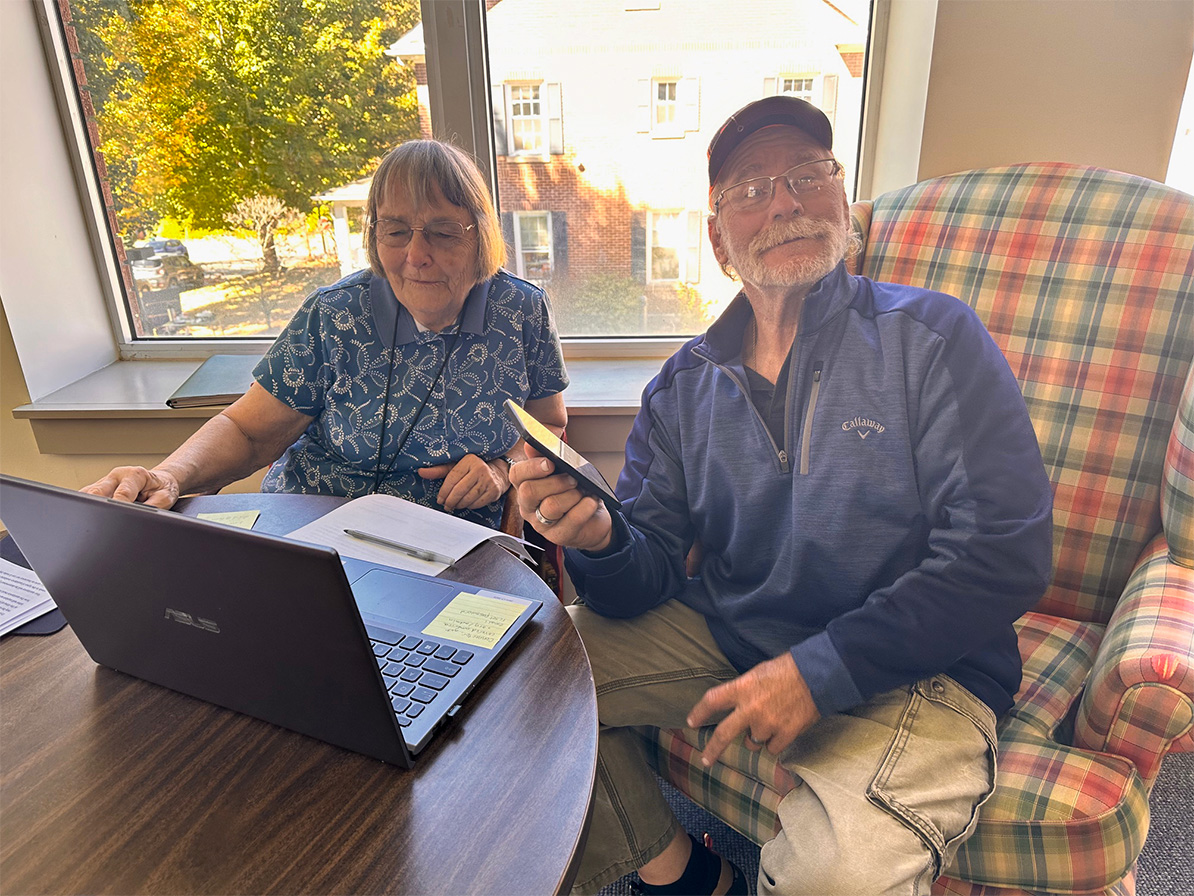
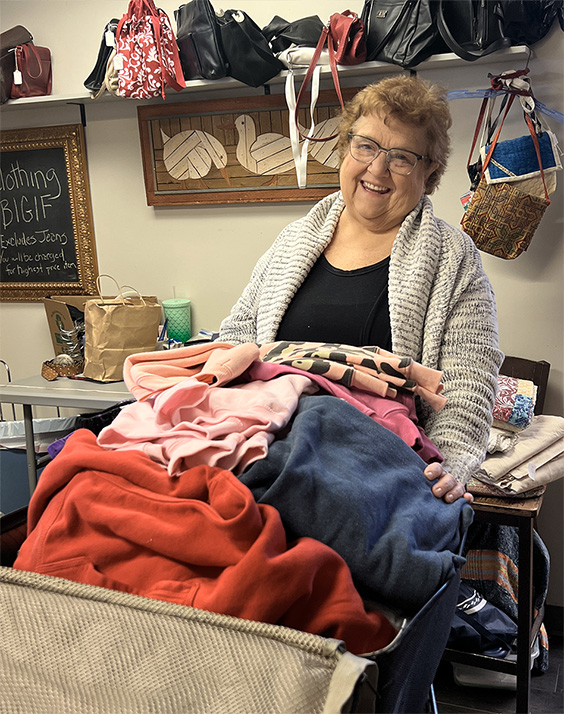
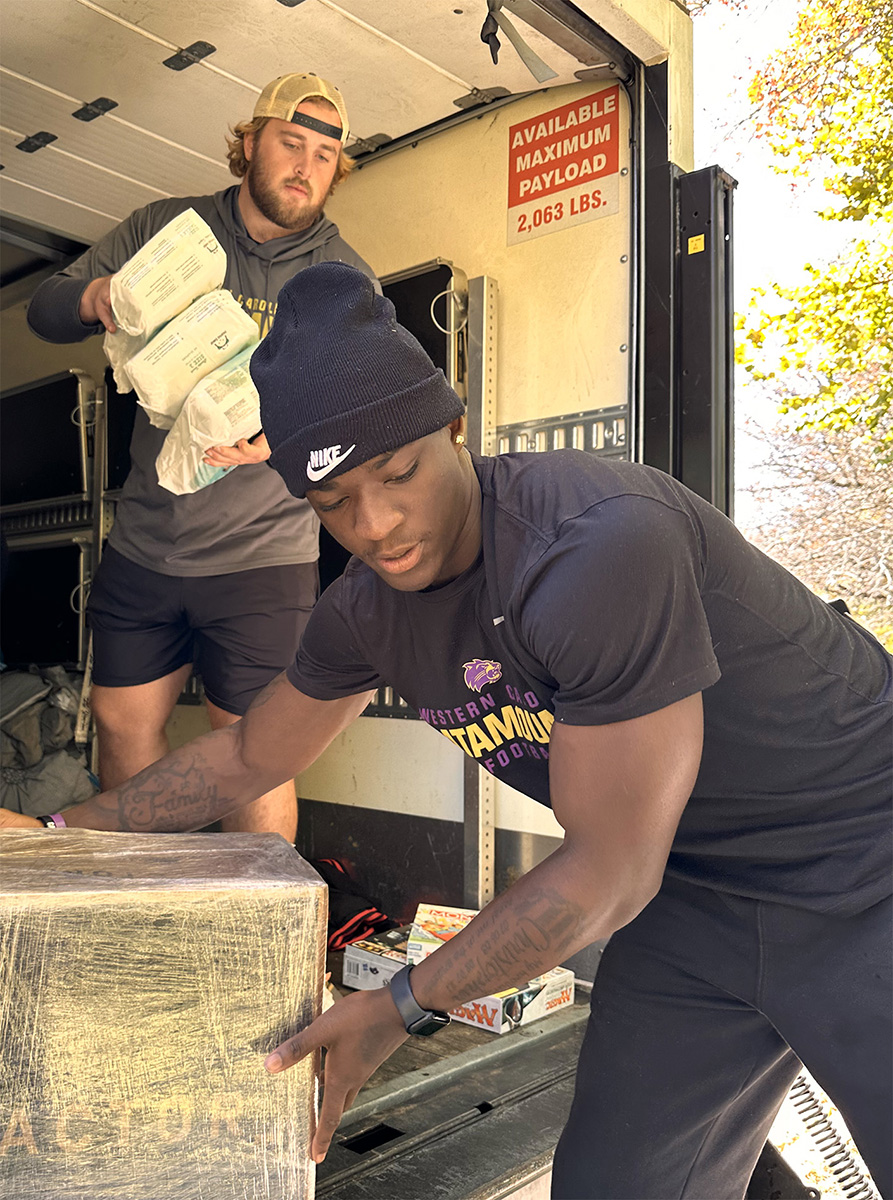
The Waynesville and Sylva offices also became a hub for gathering and distributing donations ranging from food, clothing, generators, fuel, and tarps to direct financial contributions, while covering urgent expenses such as power bills, hotel stays, and housing deposits. Staff organized work crews for home rehabilitation and helped residents complete FEMA applications. Others canvassed low-lying neighborhoods door-to-door to check on households that might need assistance, including providing gasoline for stalled vehicles and fuel cards.
“My sister and I had to get rid of our cars within a month of each other, leaving us without transportation. We had no way to get to doctor’s appointments! They have been a lifesaver in more ways than ‘just a ride’! Thank heaven for Haywood Transit!”
Vicki Ward, Haywood Transit passenger
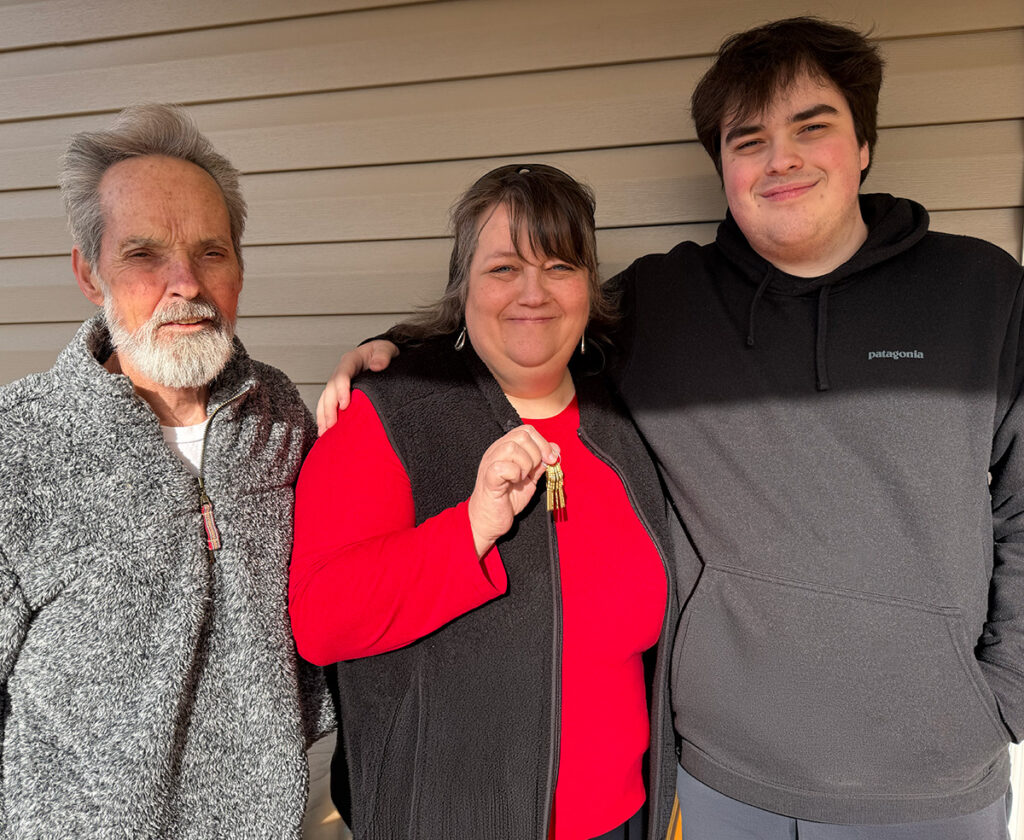
In the months that followed, Mountain Projects expanded into long-term recovery efforts. The nonprofit distributed campers and RVs to displaced families, purchased emergency supplies, and provided replacement clothing before partnering with United Way and Habitat for Humanity on the “Homes for Hope” initiative in Bethel Village to provide permanent housing. It also leveraged philanthropic support, including a $150,000 gift from the North Carolina Global Methodist Church, to address unmet needs and explore additional housing options.
Mountain Projects went above and beyond its mission to fill critical gaps, underscoring its role in bridging local needs with delayed federal relief across Western North Carolina. “We step up when the community needs our agency. That was the only choice we had at the time, because thousands of people depend on Mountain Projects. Luckily, our staff are the types who are willing to go above and beyond,” said Si Simmons, executive director of Mountain Projects.